Choosing the right running shoes for track season can make a meaningful difference in training comfort, workout consistency, and race preparation. Track athletes need footwear that matches their events, running technique, training intensity, and preferred level of cushioning.
Not every track athlete needs competition spikes for daily workouts. Regular running shoes are often more appropriate for warm-ups, recovery runs, tempo sessions, and interval training, while specialized track spikes are designed for faster racing and event-specific performance.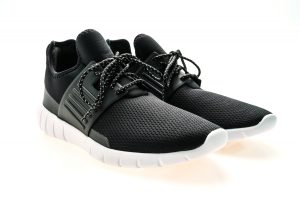
Sprinters generally benefit from lightweight shoes with an aggressive forefoot design, while middle-distance and distance runners often need a balance of responsiveness, traction, and cushioning. Beginners should also consider versatility and comfort before investing in expensive competition footwear.
In this guide, we review the best running shoes for track season, including daily trainers, lightweight workout shoes, distance spikes, middle-distance spikes, and sprint spikes. The selections cover different events and experience levels to help athletes build a practical footwear rotation for the season.
20 Best Running Shoes For Track Season
1. Nike Dragonfly 2 – Best Overall Distance Track Spikes for Track Season
Nike Dragonfly 2 is an excellent option for distance runners who compete in events such as the 1,500m, 3,000m, 5,000m, and 10,000m. Its lightweight construction and ZoomX cushioning are designed to support fast running while providing more underfoot comfort than traditional minimalist distance spikes. Athletes who want a specialized competition shoe for longer track events should consider this model.

- Stride with Energy: Enhanced Energy Return
- Steady on Straightaways: Ensured Stability
- Swift and Lightweight
The Dragonfly 2 combines a responsive midsole with a spike plate designed to provide traction and forward propulsion on the track. Its construction is intended to balance speed, cushioning, and efficiency over longer racing distances. This makes it particularly attractive to distance athletes who want a dedicated racing spike rather than using ordinary running shoes for competition.
The main drawback is its premium price, which may be difficult to justify for beginners who are still developing their track technique. Its race-focused construction also makes it less appropriate as an everyday training shoe. Athletes should reserve it primarily for competition and selected faster sessions.
- Lightweight distance-racing construction
- Responsive ZoomX cushioning
- Designed for longer track events
- Removable spike pins
- Race-focused traction
- Suitable for experienced distance runners
- Cushioned alternative to traditional thin spikes
- Premium purchase price
- Not ideal for everyday training
- Requires adjustment to spike running
2. Brooks Hyperion 3 – Best Daily Training Shoes for Track Season
Brooks Hyperion 3 is a lightweight running shoe worth considering for athletes who need a regular trainer for track workouts. Its design provides a balance of cushioning and responsiveness that can work well for interval sessions, warm-ups, and moderate-distance training. Runners who prefer a conventional running shoe rather than a stiff competition spike may appreciate its versatility.

- THIS MEN’S SHOE IS FOR: The Hyperion 3 is designed for speed and versatility, helping you feel light and fast. Featuring nitrogen-infused DNA Flash v2 cushioning, it offers a lightweight, springy feel for responsive, high-performance runs. Predecessor: Hyperion 2.
- FASTER SPEEDS: The nitrogen-infused DNA Flash v2 cushioning promotes quicker transitions and enhanced responsiveness, delivering a more powerful, springy ride. Now featuring 2mm more DNA Flash cushioning underfoot for even greater performance.
- VERSATILE PERFORMANCE: Lightweight, quick, and cushioned to power any run or gym session. The Hyperion 3 is ultra-responsive and springy.
The Hyperion range is designed around lightweight performance, making it suitable for athletes who want a shoe that feels less bulky during faster training sessions. Its cushioning provides protection for repeated running efforts, while the conventional outsole makes it more versatile than a specialized track spike. This can make it useful for athletes who alternate between track sessions and ordinary road training.
However, it is not a replacement for event-specific spikes when maximum traction and a specialized spike plate are required. Its fit should also be assessed before purchasing because runners have different preferences for forefoot space and midfoot security. It is best used as a regular training shoe within a broader track-season footwear rotation.
- Lightweight running-shoe design
- Suitable for faster training sessions
- Versatile for track and road use
- Cushioned construction
- More practical for daily training than racing spikes
- Suitable for interval workouts
- Conventional running-shoe outsole
- Not a competition spike
- Less aggressive than specialized racing shoes
- Fit may not suit every foot shape
3. Nike Victory 2 – Best Middle-Distance Track Spikes for Track Season
Nike Victory 2 is designed for middle-distance athletes who need a specialized racing shoe for events such as the 800m and 1,500m. Its aggressive forefoot design and responsive construction are intended to support fast running and powerful push-offs. It is particularly relevant to competitive runners who want a dedicated spike for high-intensity track races.

- Nike Victory 2 Track & Field Distance Spikes
- Color: White/Bright Spruce/Electric Algae/Black
The Victory 2 combines ZoomX cushioning with a full-length carbon-fiber plate and forefoot spike configuration. This construction is designed to provide a responsive ride while maintaining the stiffness needed for fast track running. Its balance of propulsion and cushioning makes it a strong option for athletes competing over middle distances.
The main disadvantage is that its aggressive construction may feel demanding for inexperienced runners. It is also an expensive racing shoe that should not replace comfortable daily trainers. Athletes should introduce it gradually during selected workouts before using it in important competitions.
- Designed for middle-distance racing
- Responsive ZoomX cushioning
- Carbon-fiber plate construction
- Aggressive forefoot configuration
- Lightweight racing profile
- Suitable for competitive track athletes
- Designed for fast track performance
- Expensive competition shoe
- Aggressive design may challenge beginners
- Not intended for daily mileage
4. Saucony Endorphin Speed 5 – Best Tempo Running Shoes for Track Season
Saucony Endorphin Speed 5 is a useful option for athletes who need a responsive shoe for tempo runs, interval training, and faster conditioning sessions. Its lightweight performance-oriented design makes it suitable for runners who want more speed-focused construction than a traditional everyday trainer. It can also provide a practical alternative to wearing racing spikes during every demanding workout.

- Designed as an up-tempo shoe, it’s quickly proven itself as much more, equally capable during long, moderate training sessions and sprints to the finish.
- Energy efficient PWRRUN PB foam bounces back with every step combined with a winged nylon plate that provides torsional rigidity while maintaining flexibility in the forefoot, making for a sure footed, snappy ride
- SPEEDROLL technology for effortless speed and addictive forward motion you can rely on daily
The Endorphin Speed series uses responsive cushioning and a nylon plate to create a propulsive running experience. Its design is intended to support quicker transitions during sustained efforts and structured training sessions. The conventional rubber outsole also makes it more versatile for training outside the track.
Its plated construction may feel less natural during slow recovery runs, and not every runner enjoys the sensation of a plated shoe. It is also not a replacement for sprint or distance spikes during races where specialized traction is required. Athletes should use it for suitable workouts rather than relying on it for every type of training.
- Responsive training cushioning
- Nylon plate construction
- Suitable for tempo running
- Useful for interval workouts
- Versatile beyond the track
- Performance-oriented design
- Alternative to daily use of spikes
- Plated feel may not suit everyone
- More expensive than basic trainers
- Not a specialized track spike
5. Nike Maxfly 2 – Best Sprint Spikes for Track Season
Nike Maxfly 2 is a specialized sprint spike designed for athletes competing in short-distance events such as the 100m, 200m, and 400m. Its aggressive construction is intended to support explosive acceleration and powerful forefoot running. Sprinters looking for a competition-focused shoe should consider it among the premium options available.

- Lighter and more responsive than the previous version, the carbon fiber Flyplate's shape and stiffness give you a propulsive feel.
- The forefoot Air Zoom unit has two chambers to give you propulsion and stability from takeoff to the tape.
- We removed the middle spike from the original Maxfly and elevated the platform on the big-toe side.
The Maxfly 2 combines ZoomX cushioning, forefoot Air Zoom units, and a rigid plate designed to support powerful propulsion. Its spike configuration provides traction for sprinting and selected hurdle events. This construction is intended for athletes who can benefit from a firm, responsive platform during high-speed running.
The shoe is expensive and its aggressive design may be difficult for beginners who have not developed consistent sprint mechanics. It is not intended for easy runs, long-distance training, or ordinary daily mileage. Athletes should use it selectively and build familiarity with its stiffness before racing.
- Designed for sprint events
- Responsive ZoomX cushioning
- Forefoot Air Zoom units
- Aggressive sprinting platform
- Race-focused spike configuration
- Suitable for experienced sprinters
- Designed for explosive track performance
- Premium price
- Demanding design for beginners
- Not suitable for everyday running
6. New Balance FuelCell Rebel v5 – Best Lightweight Track Training Shoes for Track Season
New Balance FuelCell Rebel v5 is a lightweight running shoe worth considering for athletes who need a versatile trainer for faster sessions. Its responsive cushioning and relatively streamlined construction make it suitable for interval workouts, progression runs, and general track conditioning. Runners who prefer a flexible alternative to plated trainers may find it appealing.

- FUELCELL FOAM TECHNOLOGY - Propulsive FuelCell foam delivers a remarkably responsive underfoot feel that drives you forward, adapting from long runs to fast-paced intervals
- FANTOMFIT BONDED UPPER - Ultra-light FantomFit upper offers bonded support without bulk, creating a secure, race-inspired fit that moves with your stride
- ENHANCED GEOMETRIC MIDSOLE - Wider and higher-stacked geometric midsole extends cushioning beyond the predecessor for a smoother, more protected ride on every run
The Rebel range emphasizes a responsive underfoot feel that can make faster training sessions more engaging. Its conventional running-shoe construction allows it to be used for more than just track workouts, including road running and easy training days. This versatility can be valuable for athletes who want one lightweight shoe for several training activities.
The Rebel is not a specialized competition spike, and its outsole does not provide the same spike-pin traction required for certain races. Its soft, responsive feel may also be less stable for runners who prefer firmer footwear. It is best considered as a daily performance trainer rather than a replacement for racing shoes.
- Lightweight construction
- Responsive cushioning
- Suitable for interval sessions
- Flexible running-shoe design
- Versatile for road and track training
- Useful for progression runs
- Alternative to stiff plated trainers
- Not a competition spike
- May feel too soft for some runners
- Less specialized for sprint racing
7. Brooks Hyperion Elite LD 2 – Best Long-Distance Racing Spikes for Track Season
Brooks Hyperion Elite LD 2 is designed for distance athletes who want a premium racing spike for events ranging from approximately 1,500m to 10,000m. Its lightweight construction and responsive midsole are intended to support efficient running over longer distances. It is a strong candidate for competitive runners who want an alternative to the most familiar distance-spike models.

- THIS UNISEX RACING SHOE IS FOR: Competitive middle-distance and long-distance athletes racing the 5k to 10k who demand ultralight, responsive, and anatomically precise spikes for peak performance on the track.
- ULTRA-LIGHTWEIGHT CUSHIONING: Nitrogen-infused PEBA DNA GOLD midsole offers Brooks’ lightest, softest, and most responsive foam ever—designed to deliver maximum energy return without weighing you down.
- RACE-DAY POWER & PROPULSION: Built with a Pebax spike plate that enhances torsional rigidity, this spike delivers added propulsion for mid-race surges and a powerful final kick.
The Hyperion Elite LD 2 features a PEBA-based midsole and carbon-fiber plate designed to provide responsiveness during racing. Its construction combines cushioning with a relatively rigid platform to support efficient transitions over longer track distances. The upper is designed to keep the shoe lightweight while providing a secure fit.
The main limitation is its premium pricing and specialized construction. Some runners may also find the forefoot fit restrictive, so trying the shoe on is important before purchasing. It is best reserved for competition and selected high-intensity workouts rather than ordinary daily mileage.
- Designed for long-distance track racing
- PEBA-based cushioning
- Carbon-fiber plate
- Lightweight construction
- Responsive racing platform
- Suitable for competitive distance runners
- Breathable upper design
- Premium purchase price
- Restrictive fit for some runners
- Not intended for daily training
8. Nike Pegasus 42 – Best All-Around Training Shoes for Track Season
Nike Pegasus 42 is worth considering for track athletes who want a conventional running shoe for everyday training. A versatile daily trainer can support warm-ups, recovery runs, general conditioning, and selected track sessions without requiring specialized spike footwear. Its broad training role makes it a useful option for athletes who need one shoe for several running activities.

The Pegasus family is known for its everyday training approach, combining cushioning with a conventional rubber outsole. This type of construction is useful for athletes who move between track sessions, roads, and other training surfaces. A daily trainer also allows runners to complete easy mileage without placing unnecessary demands on their competition spikes.
However, the Pegasus is not designed to deliver the same aggressive traction or event-specific performance as track spikes. It may also feel heavier than specialist workout shoes during short, fast repetitions. It is best used for regular training rather than sprint racing or high-level track competition.
- Versatile daily training design
- Suitable for warm-ups and recovery runs
- Conventional rubber outsole
- Useful beyond track workouts
- Cushioned everyday construction
- Suitable for general conditioning
- Practical training-shoe option
- Not a racing spike
- Less specialized for fast repetitions
- May feel heavier than workout shoes
9. HOKA Crescendo MD 2 – Best Beginner Track Spikes for Track Season
HOKA Crescendo MD 2 is a value-oriented track spike worth considering for beginners and developing athletes. Its design is intended to provide a more approachable introduction to spike running than some highly aggressive premium competition models. It can be considered for athletes participating in multiple track events and looking for a versatile entry-level spike.

- JACQUARD KNIT UPPER
- Lining Textile
The Crescendo MD 2 features a streamlined upper and a spike plate designed for track performance. Its construction is intended to balance responsiveness and comfort, making it suitable for athletes who are learning to use specialized racing footwear. It is also a useful option to compare when premium carbon-plated spikes are outside the athlete’s budget.
Although it is more accessible than some elite racing spikes, it is still specialized footwear and should not replace daily trainers. Beginners should introduce spikes gradually because their relatively stiff construction can place additional demands on the feet and lower legs. Its event suitability should also be checked against the athlete’s actual race distances.
- Beginner-friendly track spike option
- More affordable than premium spikes
- Streamlined upper
- Designed for track events
- Useful for developing athletes
- Suitable for comparing across distances
- Less expensive entry into spike running
- Less advanced than premium racing models
- Not intended for everyday mileage
- Requires gradual introduction
10. Saucony Kinvara 16 – Best Flexible Track Workout Shoes for Track Season
Saucony Kinvara 16 is a lightweight running shoe for athletes who prefer a flexible, relatively simple trainer for faster workouts. It can be useful for short intervals, moderate-distance repetitions, and general conditioning when a full competition spike is unnecessary. Its conventional design makes it a practical option for athletes who want a lightweight shoe for several training activities.

- Fast & light trainer built for an ultralight, flexible and fast ride.
- Upgraded blend of PWRRUN, with more energy return and tougher against daily wear
- New geometry featuring a lower sidewall and straighter medial midfoot, designed for a smoother transition, and added comfort as you pick up the pace

The Kinvara line is known for a lightweight construction and a more natural running feel than many heavily cushioned trainers. This makes it worth considering for athletes who want to maintain a quick cadence during training. Its conventional outsole also makes it suitable for use beyond the track.
It does not have the specialized spike plate required for competition on a track, and its cushioning may feel limited to runners who prefer highly protective shoes. It is also not intended to replace a dedicated recovery trainer for every athlete. The Kinvara is most appropriate for runners who value flexibility and a lightweight feel.
- Lightweight construction
- Flexible running feel
- Suitable for faster workouts
- Useful for interval training
- Conventional outsole
- Versatile for track and road sessions
- Less bulky than maximum-cushion trainers
- Not a competition spike
- Less cushioning than some daily trainers
- May not suit runners who prefer firm support
11. ASICS Metaspeed LD 2 – Best Premium Distance Spikes for Track Season
ASICS Metaspeed LD 2 is a premium distance spike designed for athletes who compete in longer track events. Its lightweight construction and carbon-fiber plate are intended to support efficient running and responsive transitions. Competitive runners seeking a high-performance option for distance racing should compare it with other advanced spikes.

- FF TURBO cushioning: This midsole foam is extremely lightweight and bouncier than standard midsole foams, designed to help provide advanced cushioning and a responsive energy return.
- Resin plate: The penetration holes have been removed to help prevent clogging. By thinning the central part of the plate, athletes can experience better flexibility.
- MOTION WRAP 2.0 upper: This lighter woven material has been extensively tested for fit and comfort. It's also designed to help lock the foot onto the shoe's platform.
The Metaspeed LD 2 uses a performance-focused midsole and plate construction intended to provide a responsive platform. Its spike configuration is designed for track traction, while the lightweight upper helps maintain a racing-oriented profile. These characteristics make it relevant to experienced athletes who want specialized footwear for fast distance events.
The major disadvantage is its high purchase price, which may not be practical for recreational athletes. Its specialized design is also less appropriate for daily training and ordinary recovery runs. Athletes should evaluate the fit and event suitability before investing in this premium spike.
- Premium distance-racing design
- Carbon-fiber plate construction
- Lightweight racing profile
- Track-specific spike configuration
- Responsive performance platform
- Suitable for competitive distance athletes
- Specialized for longer track events
- Very expensive
- Not intended for everyday training
- Specialized fit may not suit beginners
12. adidas Adizero Takumi Sen 11 – Best 5K Training Shoes for Track Season
adidas Adizero Takumi Sen 11 is a performance-oriented road racing shoe that can be useful for athletes preparing for 5K events and fast interval workouts. Its lightweight design and responsive construction make it worth comparing for runners who want a specialized shoe for shorter, faster training sessions. It can also support athletes who combine track workouts with road-based speed training.

- adidas Mens adiZero Takumi Sen 11 Running
The Takumi Sen range is designed around fast running, with a responsive midsole and a performance-focused platform. Its construction is intended to support quicker running efforts rather than slow, relaxed mileage. This makes it a candidate for controlled repetitions, tempo sessions, and 5K-focused training.
Despite its racing-oriented design, it is not a track spike and does not provide removable spike pins. It may also feel firm or aggressive during easy running, depending on the athlete’s preferences. Runners should use it for appropriate workouts and choose a separate spike for track competition when necessary.
- Lightweight performance construction
- Designed for faster running
- Useful for 5K preparation
- Responsive midsole
- Suitable for interval workouts
- Versatile for road-based speed sessions
- Racing-oriented design
- Not a track spike
- Aggressive feel may not suit beginners
- Less suitable for relaxed recovery runs
13. Nike Zoom Rival Distance – Best Affordable Distance Track Spikes for Track Season
Nike Zoom Rival Distance is a useful option for athletes who need a relatively affordable spike for middle-distance and distance events. It is worth considering for school athletes, beginners, and recreational runners who want specialized track footwear without paying premium racing-spike prices. Its versatile event range makes it a practical model to compare for athletes who participate in several distances.

- Style#: FZ9653-600
- Added cushioning at the midfoot and heel gives you the comfort needed for longer distances and a smooth, propulsive transition for your footstrike
- Single-layer mesh provides lightweight breathability in areas needed most without sacrificing proper containment.
The Rival Distance uses a spike plate and removable pins designed to provide traction on the track. Its construction is more straightforward than that of advanced carbon-plated racing models, which can make it a sensible entry-level choice. Athletes can use it to become familiar with spike running while developing their racing technique.
It does not offer the same premium cushioning and advanced propulsion systems found in elite distance spikes. The fit and firmness may also take some getting used to, particularly for runners transitioning from ordinary running shoes. It is a practical value choice rather than a substitute for a top-tier racing spike.
- More affordable than premium spikes
- Removable spike pins
- Suitable for distance events
- Useful for beginners
- Straightforward spike construction
- Versatile event coverage
- Practical entry-level racing option
- Less advanced cushioning
- Basic compared with elite spikes
- Not suitable for daily training mileage
14. adidas Adizero Sprintstar – Best Budget Sprint Spikes for Track Season
adidas Adizero Sprintstar is a budget-oriented sprint spike designed for athletes who compete in short-distance track events. Its lightweight construction and sprint-focused design make it worth considering for developing sprinters who want specialized footwear without purchasing an expensive elite model. It can be particularly useful for school athletes and beginners learning to race in spikes.

- MILLISECONDS MATTER: The Adizero Sprintstar track spikes target explosive sprinting events from 50m through 400m, where every fraction of a second counts; merges breathable synthetic mesh with at least 20 percent recycled materials
- AGGRESSIVE GRIP FOR SPRINTS: Enhanced traction configuration combined with rubberized outsole zones maximizes power transfer and cornering stability; track spikes purpose-built for 50m, 100m, 200m, and 400m runners who require aggressive grip
- LIGHTWEIGHT CUSHIONING: Lightweight molded cushioning spans heel to toe, returning energy without excess weight; ideal for sprinters who value ground feel
The Sprintstar features a track-specific spike plate intended to provide traction during acceleration and sprinting. Its design emphasizes a close connection with the track rather than the substantial cushioning found in daily running shoes. This makes it a suitable candidate for athletes who need a dedicated sprinting shoe for selected training sessions and races.
The main limitation is that its basic construction does not provide the advanced cushioning and propulsion technologies found in premium sprint spikes. It is also not suitable for long-distance running or everyday training. Athletes should choose the correct spike length for their track surface and competition rules.
- Budget-friendly sprint spike
- Lightweight construction
- Track-specific spike plate
- Suitable for developing sprinters
- Designed for short-distance events
- Practical entry-level option
- More affordable than premium sprint models
- Basic compared with elite sprint spikes
- Limited cushioning
- Not intended for distance events
15. Nike Ja Fly 4 – Best Lightweight Sprint Spikes for Track Season
Nike Ja Fly 4 is a sprint spike designed for athletes who prioritize a lightweight, direct connection with the track. Its construction is intended for short-distance events where acceleration, foot placement, and traction are important. Sprinters who prefer a relatively straightforward spike design should consider it alongside more aggressive premium options.

- Nike Ja Fly 4 Track and Field Sprinting Spikes
The Ja Fly 4 features a sprint-oriented spike plate and lightweight upper designed for fast track running. Its construction is intended to support explosive movement while keeping unnecessary bulk to a minimum. This makes it relevant to athletes who want a specialized shoe for sprint workouts and competition.
Its relatively direct feel may not provide the comfort some beginners expect from ordinary running shoes. It is also not designed for long-distance races or routine recovery runs. Athletes should introduce it gradually and ensure that its fit and spike configuration match their sprinting needs.
- Lightweight sprint construction
- Track-specific spike plate
- Suitable for short-distance events
- Direct connection with the track
- Designed for fast running
- Useful for sprint training
- Alternative to premium sprint spikes
- Limited cushioning
- Not designed for long-distance events
- May feel demanding for beginners
16. ASICS Metaspeed SP – Best Advanced Sprint Spikes for Track Season
ASICS Metaspeed SP is a premium sprint spike designed for competitive athletes who want a lightweight, highly responsive racing shoe. Its construction is intended for short-distance events where a powerful forefoot platform and track traction are important. Experienced sprinters looking for advanced competition footwear should compare it with other high-performance sprint spikes.

- FF TURBO cushioning: This midsole foam is extremely lightweight and bouncier than standard midsole foams, designed to help provide advanced cushioning and a responsive energy return during your races and practice.
- Carbon plate: A responsive plate that guides your foot throughout each step and propels your foot forward helping you conserve energy.
- MOTION WRAP 2.0 upper: This lighter and breathable woven material has been extensively test for fit and comfort. It's also designed to help lock the foot onto the shoe's platform.
The Metaspeed SP combines a performance-oriented midsole with a carbon-fiber plate and specialized spike configuration. This construction is designed to support fast transitions and explosive sprinting mechanics. Its lightweight racing profile is particularly relevant to athletes who train and compete at high speeds.
The main disadvantage is its premium price, which may not be suitable for beginners or recreational runners. Its stiff construction also requires appropriate sprinting technique and gradual familiarization. It should be treated as specialized competition footwear rather than a daily training shoe.
- Premium sprint-racing construction
- Carbon-fiber plate
- Lightweight design
- Specialized spike configuration
- Designed for competitive sprinters
- Responsive racing platform
- Suitable for short-distance events
- Expensive
- Stiff construction
- Not appropriate for daily mileage
17. Under Armour Kick Sprint 4 – Best Value Sprint Spikes for Track Season
Under Armour Kick Sprint 4 is a value-focused sprint spike worth considering for athletes who want dedicated track footwear at a lower price point. Its straightforward construction makes it relevant to beginners and school athletes who are learning to use sprint spikes. It is an option for runners who want to move beyond ordinary running shoes without immediately purchasing a premium racing model.

- Lightweight and breathable synthetic upper mesh panels provide ventilation so you can stay cool and comfortable during your runs.
- EVA sockliner offers extra cushioning and rebound for explosive takeoffs with each step.
- Micro G foam midsole ensures maximum power, so you can maximize your performance on any track or field surface.
The Kick Sprint 4 uses a sprint-specific spike design intended to provide traction and a direct running feel. Its relatively simple construction makes it a practical candidate for short-distance training and competition. Athletes should check the product’s exact spike configuration and compatibility with their track before buying.
It does not offer the advanced cushioning and plate systems found in high-end competition models. Its basic design may also be less comfortable for athletes who prefer a more cushioned racing experience. It is best viewed as an affordable entry into sprint-specific footwear.
- Value-oriented sprint spike
- Dedicated sprint construction
- Suitable for developing athletes
- Designed for short-distance events
- Straightforward spike design
- More accessible than premium models
- Useful for learning spike running
- Fewer premium performance features
- Limited cushioning
- Not designed for distance running
18. Nike Zoom Superfly Elite 2 – Best Track Spikes for Explosive Sprinting
Nike Zoom Superfly Elite 2 is a specialized sprint spike for athletes who want a direct, aggressive feel during short-distance competition. Its lightweight design and sprint-focused spike plate make it suitable for runners who prioritize traction and responsiveness. It is particularly relevant to experienced athletes competing in short sprints and selected hurdle events.

- ELITE SPRINT PERFORMANCE – Engineered for explosive speed in the 100m to 400m, the Nike Zoom Superfly Elite 2 track shoes feature a lightweight design that helps maximize acceleration, power, and race-day performance.
- LIGHTWEIGHT ATOMKNIT UPPER – Advanced Atomknit technology delivers a breathable, secure, and contoured fit that minimizes weight while providing excellent lockdown through every stride.
- AGGRESSIVE SPIKE TRACTION – Stiff sprint plate with eight removable stainless-steel spikes offers exceptional grip and propulsion for powerful starts, fast transitions, and confident cornering on the track.
The Superfly Elite 2 uses a track-specific plate designed to support fast running and maintain traction during sprinting. Its streamlined construction is intended to keep the shoe close to the foot and minimize unnecessary bulk. This makes it an option for sprinters who prefer a traditional aggressive spike feel.
Its direct, firm construction may be uncomfortable for beginners who are accustomed to cushioned trainers. It is also a specialized competition shoe rather than an all-purpose training model. Athletes should use it selectively and ensure their sprint mechanics are developed enough to handle its design.
- Sprint-specific spike design
- Lightweight construction
- Aggressive track feel
- Designed for short-distance competition
- Suitable for experienced sprinters
- Track-specific traction
- Streamlined upper
- Firm underfoot feel
- Not ideal for beginners
- Not suitable for daily training
19. Nike Zoom Rival Multi – Best Multi-Event Track Spikes for Track Season
Nike Zoom Rival Multi is designed for athletes who participate in multiple track disciplines and need a versatile spike. Its multi-event orientation makes it worth considering for developing athletes who compete in different sprinting, jumping, and hurdle events. It can be a practical option for school track programs where athletes have not yet settled on a single specialty.

- COMFORT AT THE HEEL: Added heel cushion provides comfort across short and middle distances, and hurdles and jumps. It gives cushion and durability for your footstrike and traction for post-race braking.
- STAY ON YOUR TOES: An updated 3/4-length plate is lightweight, snappy and provides aggressive sturdiness to help keep you sprinting on your toes.
- STICK AND SPRINT: Six replaceable spikes offer optimal traction on all track surfaces. Lightweight ceramic aluminum material adds durability.
The Rival Multi uses a track-specific spike plate intended to provide traction across several types of events. Its design offers a more versatile alternative to highly specialized sprint or distance spikes. This can make it useful for athletes who need one pair for different competitions and training sessions.
The compromise is that a multi-event spike may not provide the same event-specific performance as a dedicated sprint or distance model. Athletes specializing in one discipline may eventually benefit from footwear designed specifically for their event. Check the event recommendations and track rules before purchasing.
- Multi-event track design
- Versatile spike configuration
- Suitable for developing athletes
- Useful for school track programs
- Alternative to specialized event spikes
- Track-specific traction
- Practical for athletes exploring different events
- Less specialized than event-specific spikes
- Not intended for daily mileage
- May not suit advanced specialists
20. adidas Adizero Prime SP 3 STRUNG – Best Premium Sprint Spikes for Competitive Track Athletes
adidas Adizero Prime SP 3 STRUNG is a premium sprint spike designed for competitive athletes who need specialized footwear for high-speed events. Its performance-focused construction is intended to support powerful acceleration and sprinting mechanics. It is worth considering for experienced sprinters who want an advanced alternative to more basic track spikes.

- Performance Track Spikes: Engineered specifically for competitive track and field athletes, these adidas Prime SP 3 spikes deliver explosive acceleration and superior traction on the track surface for sprinting and speed events
- Lightweight Construction: Features a streamlined design that minimizes weight without sacrificing durability, allowing you to maintain maximum speed and agility throughout your race or training session
- Secure Spike Plate: Equipped with a strategically positioned spike plate that accepts removable spikes, providing customizable grip and optimal power transfer with every stride for enhanced performance
The Prime SP 3 STRUNG combines an engineered upper with a sprint-oriented platform designed for competition. Its construction emphasizes a close fit and a direct connection with the track during fast running. This makes it relevant to athletes who are comfortable with stiff, aggressive sprint footwear.
The main disadvantage is the high price and specialized fit, which may not work for every runner. Its aggressive design is also less appropriate for beginners who are still developing sprint technique. Athletes should try it on and introduce it gradually before using it in major competitions.
- Premium sprint-racing design
- Engineered STRUNG upper
- Performance-focused construction
- Designed for competitive sprinters
- Close-fitting racing profile
- Track-specific spike platform
- Suitable for high-speed events
- High purchase price
- Aggressive fit may not suit everyone
- Not intended for daily training
7 Important Factors to Consider When Buying Running Shoes for Track Season
1. Your Track Event and Running Distance
The first consideration should be the event you compete in. Sprint athletes running the 100m, 200m, and 400m generally need a different shoe design from athletes competing in the 1,500m, 5,000m, or 10,000m. Sprint spikes usually emphasize a firm forefoot platform and aggressive traction, while distance spikes tend to provide more cushioning and a different balance of flexibility and stiffness.
Middle-distance athletes have additional considerations because their events combine high speed with longer periods of sustained running. An 800m runner may prefer a different spike from a 5,000m specialist. Select footwear according to your main event rather than assuming that one spike will perform equally well across every distance.
2. Cushioning and Midsole Construction
Cushioning influences how a shoe feels during repeated training sessions and competition. Distance runners often appreciate additional underfoot cushioning because their events involve more foot strikes than short sprints. Sprinters may prefer a firmer platform that allows a more direct connection with the track.
Daily trainers should generally provide enough cushioning for regular mileage, warm-ups, and recovery runs. Competition spikes have more specialized designs and should not automatically be treated as suitable everyday shoes. Consider how much time you spend training, how frequently you race, and whether the shoe feels comfortable at your normal running pace.
3. Shoe Weight and Flexibility
Lightweight shoes can be attractive during faster sessions because they reduce unnecessary bulk. Sprinters often prefer a close-fitting shoe with a relatively rigid forefoot platform, while distance runners may want a balance between light weight and cushioning. Training shoes can be slightly heavier when additional comfort and durability are priorities.
Flexibility should also match the intended event and the athlete’s running mechanics. A highly rigid sprint spike may feel uncomfortable to a runner who is accustomed to flexible trainers. Try the shoe and assess how naturally it moves with your foot before making a purchase.
4. Spike Plate and Track Traction
Competition spikes use specialized plates and removable or fixed pins to provide traction on track surfaces. Sprint spikes generally use more aggressive forefoot designs, while distance spikes are often configured to provide traction without making the shoe unnecessarily harsh over longer races. The right configuration depends on the event and the surface.
Athletes should check the spike-pin rules of their competition before buying replacement pins. Some tracks restrict pin length or type to protect the surface. Using the wrong configuration can also affect grip and running comfort.
5. Fit and Foot Shape
A proper fit is essential because track running involves high-speed movement, repeated turns, and forceful push-offs. The shoe should hold the heel and midfoot securely without squeezing the toes or creating pressure points. A racing spike may fit more closely than a regular running shoe, but it should not cause pain or numbness.
Runners with wider feet should pay particular attention to toe-box shape and available width options. Do not assume that a shoe will fit correctly simply because the same brand’s everyday trainers feel comfortable. Try on both shoes and assess the fit while standing and moving.
6. Durability and Training Frequency
A track-season shoe should match how frequently it will be used. Daily trainers need sufficient outsole durability and cushioning to handle regular mileage, while premium racing spikes are often better reserved for competitions and selected high-intensity workouts. Using expensive spikes for every training session can wear them out unnecessarily.
Consider your weekly training schedule before deciding how many pairs to purchase. A practical rotation may include a cushioned daily trainer, a lightweight workout shoe, and an event-specific spike. This arrangement helps distribute wear and gives each shoe a clear purpose.
7. Price, Experience Level, and Competition Rules
Track footwear ranges from affordable entry-level spikes to expensive carbon-plated competition models. Beginners generally benefit more from a comfortable, versatile training shoe and a suitable entry-level spike than from purchasing the most expensive racing shoe immediately. Experienced athletes may have more reason to invest in specialized models that match their events and performance requirements.
Competition rules are also important, especially for athletes participating in organized school, collegiate, or elite events. Check applicable governing-body regulations concerning shoe construction, stack height, and spike configurations. Confirm that the exact model is permitted for your event before using it in competition.
Best Running Shoes For Track Season Frequently Asked Questions
1. What are the best running shoes for track season?
The best shoes depend on your event and whether you need footwear for training or competition. Nike Dragonfly 2 is a strong distance-spike option, Nike Victory 2 is designed for middle-distance racing, and Nike Maxfly 2 is a specialized sprint spike. Brooks Hyperion 3, Saucony Endorphin Speed 5, and New Balance FuelCell Rebel v5 are alternatives for regular training.
2. Should I wear running shoes or spikes for track workouts?
Ordinary running shoes are suitable for many track workouts, including warm-ups, recovery runs, easy mileage, and some interval sessions. Spikes are generally reserved for faster sessions and competition when their traction and specialized construction are useful. Introducing spikes gradually can help athletes adapt to their firmer and more aggressive design.
3. What are the best track shoes for beginners?
Beginners should prioritize comfort, fit, and versatility rather than buying the most expensive competition shoe. Nike Zoom Rival Distance and HOKA Crescendo MD 2 are options to compare for athletes looking for entry-level track spikes. A regular daily trainer should also be part of the footwear rotation.
4. Are sprint spikes suitable for distance running?
Sprint spikes are generally not the best choice for distance running because their aggressive forefoot construction and limited cushioning are designed for short, fast events. Distance spikes provide a different balance of traction, cushioning, and flexibility. Athletes should select spikes according to their main racing distance.
5. How many pairs of shoes do I need for track season?
Many athletes can manage with two pairs: a comfortable daily trainer and an event-appropriate competition shoe. More experienced runners may benefit from a third pair for faster workouts, especially when training volume is high. The ideal number depends on mileage, training frequency, event specialization, and budget.
6. How should track spikes fit?
Track spikes should fit securely around the heel and midfoot while leaving enough room to avoid painful toe compression. They generally have a closer fit than everyday running shoes because excessive movement inside the shoe can interfere with control at high speeds. However, a tight fit should never cause numbness, blisters, or pain.
7. Can I use track spikes for everyday running?
Track spikes are not recommended for everyday running because their firm plates and specialized pins are designed for track performance rather than general mileage. Frequent use can also accelerate wear and place additional demands on the feet and lower legs. Regular running shoes are more appropriate for easy runs, recovery sessions, and routine training.
Conclusion
In conclusion, Nike Dragonfly 2 is the best overall choice for distance track racing, while Brooks Hyperion 3 is a strong runner-up for athletes who need a versatile daily training shoe. Nike Victory 2 is an excellent option for middle-distance specialists, and Nike Maxfly 2 is worth considering for sprinters who want an advanced competition spike.
Other worthwhile choices include Saucony Endorphin Speed 5 for tempo sessions, New Balance FuelCell Rebel v5 for lightweight workouts, and Brooks Hyperion Elite LD 2 for premium distance racing. Nike Pegasus 42 and Saucony Kinvara 16 provide additional training options for athletes who want conventional running shoes rather than specialized spikes.
Athletes seeking more affordable competition footwear can compare HOKA Crescendo MD 2, Nike Zoom Rival Distance, adidas Adizero Sprintstar, and Under Armour Kick Sprint 4. More advanced sprinters may prefer ASICS Metaspeed SP, Nike Ja Fly 4, Nike Zoom Superfly Elite 2, or adidas Adizero Prime SP 3 STRUNG, depending on their event and fit preferences.
Choose footwear according to your main track event, training schedule, experience level, and comfort requirements rather than purchasing a shoe solely because it is popular or expensive. A suitable combination of daily trainers and event-specific spikes can provide a more practical foundation for consistent training and successful competition.