Strength training places different demands on footwear than running, walking or general fitness activities. Exercises such as squats, deadlifts, lunges, bench presses and Olympic lifts require a stable platform that allows athletes to maintain balance, transfer force and control their movements under resistance.
The right training shoe should provide a firm sole, secure foot lockdown and sufficient traction for the exercises you perform. Some shoes are designed specifically for heavy weightlifting, with rigid raised heels that support squat mechanics, while others have flatter platforms suited to deadlifts and general strength workouts.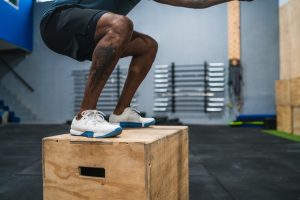
Cross-training shoes offer another option for athletes who combine resistance training with conditioning, jumping and short cardio sessions. These models generally balance stability with flexibility, making them more versatile than dedicated weightlifting shoes. However, heavily cushioned running shoes are usually less suitable for lifting heavy weights because their soft platforms can compress under load.
In this guide, we review the best shoes for strength training, including dedicated weightlifting shoes, versatile cross-trainers, minimalist options and budget-friendly alternatives. We also explain the important features to evaluate when choosing footwear for your training routine.
20 Best Shoes For Strength Training
1. Nike Metcon 10 – Best Overall Shoes for Strength Training
The Nike Metcon 10 is a strong choice for athletes searching for stable cross-training shoes for strength training because it combines a firm lifting platform with flexibility for varied gym exercises. Its construction is designed to provide support during squats, presses, lunges and other resistance-training movements. It is particularly useful for people who want one shoe for strength workouts and general conditioning.

- An ultra-strong Hyperlift plate under your heel (where you need it most) optimizes stability for heavy lifts—like squats, dead lifts and cleans—without compromising the ride. A wider toe box compared to the Metcon 9 lets your toes extend outward and helps you optimize your power through your whole foot.
- We updated the midsole with lightweight ReactX foam to increase energy return. It combines with flex grooves on the outsole to give you flexible, responsive cushioning when doing high-intensity exercises like box jumps and quick sprints.
- A tough, sticky texture strategically placed on the midfoot and toe—high wear-and-tear areas—delivers game-changing grip and durability. A new traction pattern provides a flat, sticky surface for lifting on even the sweatiest of surfaces.
The shoe features a stable heel platform and a performance-oriented upper designed to secure the foot during demanding movements. Its forefoot provides more flexibility for exercises that require movement and quick transitions, while the outsole is built for gym traction. This combination makes it more versatile than a dedicated Olympic weightlifting shoe.
The Metcon 10 is best suited to athletes who combine conventional strength training with functional fitness and conditioning. Its supportive platform makes it a practical choice for resistance exercises, although it is not a substitute for specialized weightlifting shoes during technical Olympic lifts. Athletes should check the fit carefully, especially if they prefer a generous toe box.
- Stable platform for lifting
- Supportive heel construction
- Flexible forefoot
- Suitable for squats and lunges
- Useful for general gym workouts
- Secure training-oriented upper
- Versatile cross-training design
- Not a dedicated Olympic lifting shoe
- Less comfortable for long-distance running
- Premium pricing
2. Reebok Nano X5 – Best for Versatile Strength Workouts
The Reebok Nano X5 is a versatile option for athletes seeking cross-training shoes for weightlifting and strength workouts. Its construction balances a stable base for resistance exercises with cushioning for dynamic movements and conditioning. This makes it suitable for gym users who perform several types of exercise during one session.

- CLASSIC REEBOK DESIGN - To celebrate the 15th anniversary of these iconic cross training gym shoes, Reebok set out to make the most comfortable version of our best selling Nano mens sneakers yet.
- HIGH PERFORMANCE - The dual-density midsole with firmer foam in the heel creates stability, and the more responsive foam in the forefoot increases comfort while running and jumping.
- MULTI PURPOSE - Everything you need in cross training and running shoes for men rolled into one, the Nano X5 features a breathable, lightweight Flexweave upper, an EVA midsole, and a durable rubber sole for traction on variable surfaces.

The shoe features a supportive midsole and a Flexweave upper designed to provide a secure fit during training. Its platform offers a balance between stability and cushioning, helping athletes move between squats, lunges, jumps and short conditioning intervals. The design also provides flexibility that can make it more comfortable for mixed workouts than highly rigid lifting shoes.
The Nano X5 is a strong choice for athletes who want an all-around gym shoe rather than footwear designed exclusively for heavy barbell lifting. Its versatile construction makes it particularly useful for strength circuits and functional training. Serious Olympic weightlifters may still prefer a dedicated shoe with a rigid raised heel.
- Versatile cross-training design
- Stable platform for resistance exercises
- Supportive Flexweave upper
- Suitable for squats and lunges
- Comfortable for mixed workouts
- Useful for functional fitness
- Balances cushioning and stability
- Not as rigid as dedicated lifters
- Not designed for long-distance running
- May feel firm during extended walking
3. Nike Romaleos 4 – Best for Heavy Weightlifting
The Nike Romaleos 4 is a specialized option for athletes looking for shoes for heavy strength training and squats. Its rigid construction, raised heel and secure fastening system are designed to support demanding barbell exercises. It is particularly suitable for experienced lifters who prioritize stability during squats, cleans and snatches.

- Designed for strength and stability, the Nike Romaleos 4 features a supportive midsole and a wide, flat outsole. Adjustable straps at the midfoot secure your foot during your most intense workouts.
- Wide straps over the laces adjust to deliver secure support.
- Rigid midsole with a heel lift enables optimal power transfer from the ground to support explosive movements.
The shoe features a firm platform designed to limit unwanted compression under heavy loads. Its raised heel can help some athletes maintain a more upright torso during squats, while the dual straps provide additional midfoot security. The broad base also helps create a stable foundation when pushing against the floor.
The Romaleos 4 is best suited to serious weightlifters and strength athletes who perform frequent heavy squats and Olympic lifts. Its specialized design is less appropriate for running, jumping circuits and exercises that require substantial foot flexibility. Athletes should also consider their ankle mobility and squat mechanics before choosing a raised-heel lifting shoe.
- Rigid lifting platform
- Raised heel for squatting
- Dual midfoot straps
- Secure foot lockdown
- Stable base for heavy lifts
- Suitable for Olympic weightlifting
- Durable competition-oriented design
- Expensive compared with general trainers
- Poor choice for running workouts
- Less versatile for functional fitness
4. Reebok Legacy Lifter III – Best for Squats and Olympic Lifting
The Reebok Legacy Lifter III is a specialized choice for athletes searching for stable weightlifting shoes for squats and strength training. Its raised heel and rigid construction are intended to provide a secure foundation during heavy lower-body exercises. The shoe is particularly relevant to competitive weightlifters and experienced gym users.

Its design emphasizes foot stability through a firm platform and supportive upper construction. The raised heel can help lifters who need additional ankle range of motion to reach a comfortable squat depth, while its fastening system helps secure the midfoot. The shoe is built around lifting performance rather than the flexibility required for running and jumping.
The Legacy Lifter III is worth considering for athletes who regularly perform squats, cleans and snatches. It provides a more specialized platform than general cross-training footwear, making it particularly useful for structured strength programs. People who perform mostly deadlifts and general gym circuits may find a flatter, more flexible shoe more practical.
- Stable platform for heavy lifting
- Raised heel supports squat mechanics
- Secure midfoot construction
- Suitable for Olympic lifts
- Supportive upper design
- Firm lifting platform
- Built for demanding strength sessions
- Less versatile for cardio
- Higher price than basic trainers
- Not ideal for deadlift-focused athletes who prefer flat soles
5. TYR L-1 Lifter – Best for Wide Toe Boxes
The TYR L-1 Lifter is an attractive option for athletes looking for wide-toe-box weightlifting shoes for strength training. Its anatomical forefoot design provides more room for toe positioning than many conventional lifting shoes. This makes it particularly interesting for lifters who prefer a less restrictive fit during squats and Olympic movements.

- Add confidence and power to your footsteps wearing TYR L2 Lifter Shoes with adjustable double hook-and-loop straps at midfoot and a stylish low-top silhouette the round-toe shoes are designed with a rubber upper with contrasting TYR branding on the s
- Flat, wide rubber outsole.
The shoe combines a raised heel with a firm lifting platform designed to support stable weight distribution. Its wide forefoot allows the toes to spread more naturally, while the fastening system helps keep the foot secure during heavy lifts. The rigid construction is intended for resistance training rather than running or extended cardio sessions.
The L-1 Lifter is worth considering for athletes who need more forefoot room without giving up the benefits of a dedicated weightlifting shoe. Its raised heel can be helpful during squats and Olympic lifting when it matches the athlete’s mobility and technique. Check the sizing carefully because a roomy toe box does not necessarily mean the entire shoe runs large.
- Anatomical wide toe box
- Raised lifting heel
- Firm and stable platform
- Supports natural toe positioning
- Suitable for squats
- Useful for Olympic lifting
- Secure training construction
- Specialized lifting shoe
- Not suitable for running
- Premium purchase price
6. adidas Adipower Weightlifting 3 – Best for Olympic Weightlifting
The adidas Adipower Weightlifting 3 is a specialized option for athletes seeking Olympic weightlifting shoes for strength training. Its rigid construction and raised heel are designed to support movements such as squats, cleans, snatches and jerks. It is particularly relevant to lifters who prioritize a stable platform and controlled foot positioning.

- Regular fit
- Lace closure with hook-and-loop strap
- Textile and synthetic upper
The shoe features a firm midsole and a raised heel designed to support a more upright squat position. Its upper and fastening system help secure the foot during demanding lifts, while the outsole is intended to provide traction against the platform. This construction makes it more specialized than general-purpose gym trainers.
The Adipower 3 is best suited to athletes who regularly perform technical barbell lifts. Its firm platform provides a dedicated lifting experience, but the lack of flexibility makes it less appropriate for circuits involving running or jumping. Lifters should choose a heel height that complements their mobility and preferred squat technique.
- Firm weightlifting platform
- Raised heel for squats
- Supportive upper construction
- Secure fastening system
- Suitable for cleans and snatches
- Designed for Olympic lifting
- Stable outsole for platform training
- Not suitable for running
- Less versatile than cross-trainers
- Premium price category
7. adidas Powerlift 5 – Best Budget Weightlifting Shoes
The adidas Powerlift 5 is a practical option for athletes searching for affordable weightlifting shoes for strength training. It provides a raised heel and a supportive platform without the premium positioning of more specialized Olympic lifting models. This makes it a useful starting point for recreational lifters and developing athletes.

- Versatile weightlifting shoes made in part with recycled materials.
- Heel Lift: 15 mm
- LIGHT AND DURABLE: A textile and synthetic upper offers the right combination of breathability, durability and light weight
Its construction includes a firm platform designed to support controlled lifting movements. The raised heel can help some athletes achieve a more comfortable squat position, while the fastening system provides additional support around the midfoot. The shoe is designed for lifting rather than the multidirectional movements of a conventional cross-trainer.
The Powerlift 5 is worth considering for people who want a dedicated lifting shoe without spending as much as they would on a premium competition model. It can be useful for squats and other strength exercises where a stable base is important. Athletes who perform a combination of heavy lifting and cardio should consider a versatile cross-training shoe instead.
- More affordable than premium lifters
- Raised heel for squatting
- Firm lifting platform
- Supportive upper
- Secure fastening system
- Suitable for recreational lifters
- Practical for structured strength workouts
- Limited versatility for cardio
- Less premium construction
- Not ideal for running and jumping circuits
8. Nike Savaleos – Best for Beginners Learning Weightlifting
The Nike Savaleos is a useful option for athletes seeking beginner weightlifting shoes for strength training. Its raised heel and supportive construction provide a more specialized platform than ordinary gym sneakers. It is designed to help athletes develop confidence during squats and other barbell exercises.

- Nike Savaleos Weightlifting Shoes
- Men to Women Sizing
- 6 Men = 7.5 Women
The shoe features a firm heel platform and a midfoot strap designed to secure the foot during lifting. Its construction provides a balance between a dedicated lifting shoe and a more approachable training design. The raised heel can assist certain squat mechanics, although it does not replace the need for adequate mobility and proper technique.
The Savaleos is worth considering for recreational lifters and athletes transitioning from general trainers to dedicated lifting footwear. It can provide a stable platform for squats and structured resistance training. Athletes who want maximum rigidity for competitive Olympic lifting may prefer the Romaleos 4 or Legacy Lifter III.
- Raised heel for squat movements
- Stable lifting platform
- Supportive midfoot strap
- Suitable for developing lifters
- Dedicated weightlifting construction
- More specialized than running shoes
- Recognized Nike design
- Less versatile for mixed workouts
- Not ideal for running
- Less rigid than some premium lifters
9. adidas The Total – Best for Deadlifting
The adidas The Total is a specialized option for athletes searching for flat shoes for deadlifts and strength training. Its low-profile construction is intended to provide a stable connection between the foot and the lifting surface. It is particularly useful for athletes who prefer a minimal heel-to-toe difference during heavy pulling exercises.

- adidas Unisex Adult The Total 2.0 Weightlifting
The shoe features a low, stable platform designed to limit excessive compression during lifting. Its construction supports foot positioning and contact with the ground, making it an alternative to raised-heel Olympic weightlifting shoes. The design is particularly relevant to lifters who want a closer-to-the-ground sensation.
The Total is worth considering for athletes whose training emphasizes deadlifts and other movements where a flat platform is preferred. It can also be useful for general strength exercises when the athlete is comfortable with its minimalist feel. People who need a raised heel for squat mechanics may prefer a dedicated Olympic lifting shoe.
- Low-profile lifting platform
- Suitable for deadlifts
- Stable ground contact
- Minimalist training construction
- Useful for strength-focused workouts
- Alternative to raised-heel lifters
- Designed for controlled lifting movements
- Less suitable for lifters needing raised heels
- Not designed for running
- Specialized rather than all-purpose
10. NOBULL Outwork – Best for Flat-Sole Strength Training
The NOBULL Outwork is a practical choice for athletes searching for flat training shoes for strength workouts and weightlifting. Its relatively firm platform and durable construction make it suitable for gym sessions that emphasize controlled resistance exercises. It is particularly appealing to lifters who prefer a straightforward training shoe without an exaggerated heel.

- OG LIFTING SHOE: Built for grip, stability, and durability, the Men's Outwork shoe is the foundation of strength training. It's made with a durable 3D print on abrasion-resistant polyester canvas upper, delivering a locked-down feel and long-lasting performance in the gym.
- STABILIZE YOUR STANCE: Flat, firm, and low to the ground, these weightlifting shoes provide a stable platform for deadlifts, squats, presses, and other free weight exercises. The wider toe box helps you find your footing.
- AGGRESSIVE GRIP: These athletic shoes feature a high-traction, carbon rubber sole with a circular tread shape that sticks to gym flooring, wood powerlifting platforms, and other training surfaces. Grip it and rip it.
The shoe features a durable upper and an outsole designed to provide grip during different gym movements. Its construction emphasizes stability and everyday training durability rather than plush cushioning. This can make it useful for exercises such as squats, lunges, presses and accessory work.
The Outwork is best suited to athletes who prefer a firm, low-profile shoe for general strength training. Its versatility also makes it practical for people who want footwear they can use across different gym sessions. Athletes who require a raised heel for Olympic lifting may benefit more from a dedicated weightlifting shoe.
- Firm training platform
- Durable upper construction
- Useful for strength workouts
- Suitable for squats and lunges
- Low-profile design
- Grip-oriented outsole
- Practical for general gym use
- No dedicated raised lifting heel
- Less cushioned for running
- May feel firm during extended walking
11. TYR CXT-2 Elite Carbon Trainer – Best Premium Cross-Trainer
The TYR CXT-2 Elite Carbon Trainer is a premium option for athletes looking for supportive cross-training shoes for heavy strength workouts. Its performance-oriented construction is designed to provide stability during resistance exercises while retaining the flexibility needed for functional fitness. It is particularly relevant to athletes who combine lifting with more dynamic gym movements.

- DESIGNED FOR COURT PERFORMANCE: Built for stability and agility, the CXT-2 supports quick lateral movements—perfect for pickleball, tennis, or dynamic studio workouts
- CUSHIONED FOR COMFORT & CONTROL: Responsive midsole cushioning absorbs impact and adds comfort during sprints, pivots, and extended play on court surfaces
- BREATHABLE, SECURE FIT: Lightweight mesh upper offers breathability and structure, locking in your foot for a supportive feel through every drill or match
Its design focuses on foot support and a stable platform for demanding training sessions. The carbon component is intended to contribute to the shoe’s structured feel, while the upper provides support during lateral movements and changes of direction. Its construction makes it more versatile than a dedicated Olympic weightlifting shoe.
The CXT-2 Elite Carbon Trainer is worth considering for experienced gym users who want premium cross-training footwear. It can be useful for strength circuits, resistance work and functional fitness sessions. Buyers should compare its fit and platform with the Nike Metcon 10 and Reebok Nano X5 before choosing a model.
- Premium cross-training construction
- Supportive platform
- Designed for varied gym movements
- Useful for resistance training
- Suitable for functional fitness
- Performance-oriented upper
- Alternative to mainstream trainers
- Premium purchase price
- Not a dedicated Olympic lifting shoe
- May be unnecessary for basic gym routines
12. Inov-8 F-Lite Max – Best for Functional Strength Training
The Inov-8 F-Lite Max is an interesting option for athletes searching for functional training shoes for strength workouts. Its construction is designed to balance stability with movement flexibility, making it suitable for gym sessions involving resistance training and conditioning. It is particularly relevant to people who perform a mixture of barbell work, dumbbell exercises and functional movements.

- Flexibility and support in one shoe
- Heel Stabilizer
- 6mm drop
The shoe uses a training-oriented platform intended to provide support during lifting and dynamic movements. Its upper and outsole are designed for gym use, where traction and foot control are important. The flexible construction makes it more versatile than a dedicated lifting shoe, although it does not provide the same rigid platform as a specialized Olympic model.
The F-Lite Max is worth considering for athletes who want a shoe that can handle several types of strength and conditioning exercises. It is particularly useful for functional training programs that combine weights with movement-based exercises. Heavy Olympic lifters may still prefer a dedicated shoe with a raised heel and more rigid platform.
- Functional training construction
- Versatile for mixed gym workouts
- Supportive platform
- Useful for resistance exercises
- Suitable for dynamic movements
- Gym-oriented traction
- Alternative to traditional weightlifting shoes
- Less rigid than dedicated lifters
- Not designed for long-distance running
- Fit preferences may vary
13. Vivobarefoot Primus Lite III – Best Minimalist Strength Training Shoes
The Vivobarefoot Primus Lite III is a minimalist option for athletes searching for barefoot-style shoes for strength training. Its thin, flexible construction allows the foot to interact more directly with the training surface. It is particularly relevant to experienced lifters who prefer a natural foot position and a low-profile platform.

- The lightweight recycled active trainer, made for uninhibited movement
- Breathable Recycled PET Mesh to keep feet cool
- Men's Exercise Shoes
The shoe features a zero-drop platform and a flexible sole designed to support natural foot movement. Its roomy forefoot encourages toe splay, while the lightweight construction avoids the thick cushioning found in conventional running shoes. This minimalist design can provide a grounded sensation during controlled strength exercises.
The Primus Lite III is best suited to athletes who are already comfortable training in minimalist footwear. Beginners should transition gradually because the reduced cushioning and different foot mechanics may increase demands on the feet and lower legs. It is not necessarily the best choice for every athlete or every lifting exercise.
- Zero-drop construction
- Flexible minimalist sole
- Roomy forefoot
- Encourages natural toe positioning
- Lightweight design
- Grounded training sensation
- Useful for experienced minimalist users
- Minimal cushioning
- Requires gradual adaptation
- Not suitable for every foot or training style
14. Converse Chuck Taylor All Star – Best Affordable Flat Shoes for Lifting
The Converse Chuck Taylor All Star is a popular budget-friendly option for athletes searching for flat shoes for strength training and deadlifts. Its simple construction and relatively flat sole provide a stable alternative to soft running shoes during many resistance exercises. It is particularly useful for recreational lifters who want affordable gym footwear.

- This style runs large. Order a half size down.
- Canvas upper for that classic Chucks look and feel
- OrthoLite cushioning helps provide optimal underfoot comfort
The shoe features a flat rubber outsole and a canvas upper, creating a straightforward platform for controlled lifting movements. Its relatively firm sole can help reduce the unstable sensation associated with heavily cushioned footwear. The traditional design does not provide the raised heel or specialized support of dedicated weightlifting shoes.
The Chuck Taylor is worth considering for athletes who perform deadlifts, presses and general strength exercises. It is less appropriate for Olympic lifting when the athlete benefits from a raised heel, and it does not offer the cushioning needed for substantial running. Its affordability and simple design make it a practical option for basic gym routines.
- Affordable compared with specialist lifters
- Flat rubber outsole
- Firm platform for controlled lifts
- Suitable for deadlifts
- Simple and durable design
- Useful for basic gym routines
- Easy to wear outside the gym
- Limited arch support
- No raised heel for squats
- Not ideal for running or jumping
15. Under Armour TriBase Reign 6 – Best for Ground Contact and Stability
The Under Armour TriBase Reign 6 is a useful option for athletes seeking stable gym shoes for strength training and functional fitness. Its construction focuses on maintaining contact with the training surface during movements that require balance and control. It is particularly suited to people who combine resistance exercises with dynamic conditioning.

- With three points of ground contact and a strategically secure upper, the Under Armour TriBase Reign 6 training shoe is built to support your best form as you lift, move, and crush your most explosive workout. UA WARP upper provides ultimate support
- Standard tie laces.
- Strategic rubber build under the toe box for a more powerful floor grip.
The TriBase design emphasizes ground contact and flexibility in areas of the sole where natural foot movement is important. Its upper is designed to provide support during lateral exercises, while the outsole helps deliver traction on gym surfaces. This makes it a practical option for strength circuits and functional workouts.
The Reign 6 is worth considering for athletes who perform squats, lunges, kettlebell exercises and other gym movements. It offers a more versatile platform than a dedicated weightlifting shoe, although serious Olympic lifters may prefer a rigid raised-heel design. Its performance will depend on how well the shoe fits and supports the athlete’s foot.
- TriBase ground-contact design
- Stable platform for gym exercises
- Flexible forefoot
- Supportive training upper
- Suitable for functional fitness
- Useful for squats and lunges
- Versatile resistance-training shoe
- Not a dedicated weightlifting shoe
- Limited comfort for long-distance running
- May feel firm during extended wear
16. Nike Free Metcon 6 – Best for Flexible Gym Workouts
The Nike Free Metcon 6 is a versatile option for athletes searching for flexible training shoes for strength workouts and conditioning. Its design combines a stable rearfoot with a more flexible forefoot, allowing athletes to move between resistance exercises and dynamic gym activities. It is particularly useful for people who prefer a less rigid training shoe.

- Flexibility: High- The more flexibility that you have in the midsole and outsole, the more you can move naturally. We laser-siped the outsole for better flexibility, whether you're jumping, planking or powering through plyometrics. We also rounded the big-toe side of the forefoot for better agility and quickness when making sudden movements.
- Stability: High - The more supportive the shoe, the more stability it can give to your stance. A combination of tuned support and intentionally placed cushioning helps you feel secure with every step. We added more foam in the heel for improved stability when digging deep for another rep.
- Cushioning: High - The more cushioning that you have underfoot, the more comfortable your workout can be. Cushioning helps soften impact as your feet hit the ground. Laser-siped foam in the forefoot and midsole offers flexibility and comfort.
The shoe’s flexible forefoot supports natural movement during lunges, bodyweight exercises and dynamic training. Its rearfoot construction is designed to provide support during lifting, while the upper helps maintain a secure fit. This balance makes it more versatile for mixed workouts than a specialized weightlifting shoe.
The Free Metcon 6 is worth considering for athletes who combine moderate strength training with mobility exercises, conditioning and short bursts of cardio. It is not the best choice for maximum-load Olympic lifting because its platform is more flexible than dedicated lifters. For mixed gym routines, however, it offers a practical balance of movement and support.
- Flexible forefoot
- Supportive rearfoot construction
- Suitable for mixed gym workouts
- Useful for lunges and bodyweight training
- Comfortable for dynamic movements
- More versatile than dedicated lifters
- Lightweight training design
- Less rigid for maximum-load lifting
- Not a specialist Olympic lifting shoe
- Less suitable for long-distance running
17. New Balance Minimus TR v2 – Best for Low-Profile Strength Training
The New Balance Minimus TR v2 is a useful choice for athletes looking for low-profile shoes for strength training and gym workouts. Its minimalist construction provides a closer-to-the-ground feel than heavily cushioned trainers. This makes it relevant to athletes who prefer a more direct connection with the training surface.

- FuelCell midsole foam with approximately 3% bio-based content delivers a propulsive feel to help drive you forward. Bio-based content is made from renewable resources to help reduce our carbon footprint.
- Midfoot rubber wraps add increased protection, grip, and durability for rope climbs
- Herringbone rubber outsole design in forefoot and heel provide traction and durability
The shoe is designed around a low-profile platform that allows natural foot movement during gym exercises. Its construction emphasizes flexibility and ground contact, making it useful for controlled resistance movements and functional training. The reduced cushioning may not suit athletes who prefer a more protective underfoot feel.
The Minimus TR v2 is worth considering for experienced lifters who enjoy minimalist footwear. It can be used for several gym exercises where a stable, low-profile base is preferred. Athletes transitioning from thick running shoes should introduce minimalist training gradually rather than immediately using the shoe for every workout.
- Low-profile construction
- Close-to-ground sensation
- Flexible training platform
- Useful for controlled lifting
- Supports natural foot movement
- Lightweight gym design
- Suitable for minimalist footwear users
- Limited cushioning
- Requires adaptation for some users
- Not ideal for long-distance running
18. ASICS GEL-QUANTUM 360 – Best for General Gym Comfort
The ASICS GEL-QUANTUM 360 is a cushioned training option for athletes seeking comfortable gym shoes for light strength training. Its design emphasizes underfoot cushioning and everyday comfort rather than the rigid platform of specialist weightlifting footwear. It is more relevant to general fitness routines that combine moderate resistance exercises with walking and other low-impact activities.

- Closed mesh panels
- TRUSSTIC technology: Helps create a dynamic aesthetic and better stability
- FF BLAST PLUS cushioning from our running collection has been re-tuned for everyday purposes
The shoe uses ASICS cushioning technology to provide impact absorption during everyday movement. Its upper is designed to provide a comfortable fit, while the outsole supports regular gym and casual use. The cushioned construction can feel less stable under heavy barbell loads than a flatter, firmer training shoe.
The GEL-QUANTUM 360 is worth considering for athletes whose strength sessions involve lighter resistance exercises and general fitness activities. It is not the ideal choice for heavy squats, deadlifts or Olympic lifting, where a more stable platform is preferable. People who regularly lift heavy weights should choose a firmer training shoe instead.
- Cushioned underfoot construction
- Comfortable for general gym use
- Suitable for light resistance exercises
- Useful for everyday movement
- Supportive upper design
- Impact-absorbing feel
- Versatile casual fitness option
- Too cushioned for heavy lifting
- Less stable than specialist trainers
- Not intended for Olympic weightlifting
19. PUMA Fuse 3.0 – Best for Everyday Strength and Conditioning
The PUMA Fuse 3.0 is a versatile option for athletes searching for gym training shoes for strength exercises and conditioning. Its design is intended to provide a balance of stability, flexibility and traction during mixed workouts. It is particularly relevant to people who want one shoe for resistance training and functional fitness.

- New last for a stronger stance
- TPU heel piece for stability
- Mesh upper
The Fuse 3.0 features a training-oriented outsole and upper designed to support different gym movements. Its construction is intended to provide stability during controlled exercises while retaining enough flexibility for dynamic movements. This makes it more practical for mixed training than a rigid specialist weightlifting shoe.
The Fuse 3.0 is worth considering for recreational gym users who combine weights, lunges, jumps and short conditioning exercises. It can serve as an everyday training option when a dedicated lifting shoe is not necessary. Athletes who regularly perform maximum-load squats or Olympic lifts may prefer a more rigid platform.
- Versatile training design
- Suitable for strength workouts
- Useful for conditioning sessions
- Gym-oriented outsole
- Flexible for dynamic movements
- Practical for everyday gym use
- Alternative to premium cross-trainers
- Less rigid than specialist lifters
- Not designed for long-distance running
- May not suit competitive Olympic lifters
20. Do-Win Classic Weightlifting Shoes – Best Traditional Weightlifting Option
The Do-Win Classic Weightlifting Shoes are a traditional choice for athletes looking for affordable shoes for squats and Olympic strength training. Their raised heel and firm construction are designed to provide a stable platform during barbell movements. They are particularly relevant to lifters who want a conventional weightlifting shoe without the cost of some premium models.

- 【SLIP RESISTANCE AND SAFETY】 - OSTERLAND weightlifting shoes use a durable rubber outsole to support the ankle and secure the shoe to the foot for safety, and anti-slip grooves in the sole enhance grip on the ground to ensure no accidents during high-intensity training.
- 【EASY TO PUT ON & TAKE OFF】 - The double-layer nylon Velcro straps and one-piece shoe design wraps around the entire foot, increasing stability and safety and solidity as we perform weight exercises.
- 【SUPPORTS CORRECT LIFTING POSITION】 - These weightlifting shoes have a 1.3 inch high heel and raised sole design on the front and back, providing good flexibility and adhesion friction to ensure stability when lifting weights and improve lifting posture.
The shoe features a raised heel and a supportive construction intended to help maintain stable foot positioning during squats and Olympic lifts. Its fastening system helps secure the foot, while the firm platform reduces the compression associated with soft running-shoe cushioning. This makes it more specialized for lifting than general-purpose trainers.
The Do-Win Classic is worth considering for athletes who regularly perform squats, cleans and snatches. It offers a traditional alternative to newer premium lifting shoes, although fit and sizing should be checked carefully before purchasing. It is not designed for running or workouts involving extensive jumping and lateral movement.
- Traditional weightlifting construction
- Raised heel for squats
- Firm lifting platform
- Supportive fastening system
- Suitable for Olympic lifts
- Alternative to premium models
- Designed for dedicated strength training
- Not suitable for running
- Specialized rather than versatile
- Sizing may require careful checking
Factors To Consider When Buying Shoes For Strength Training
1. Sole Stability and Firmness
Sole stability is one of the most important considerations when selecting strength-training footwear. During heavy squats, deadlifts and presses, your feet need a dependable platform that does not compress excessively under load.
Soft running-shoe midsoles can make the foot feel less stable during heavy resistance exercises. A firmer sole generally provides a more predictable base for transferring force into the ground. Look for a shoe designed specifically for lifting or cross-training rather than choosing solely based on cushioning.
2. Heel Height and Heel-to-Toe Drop
Heel height influences how your foot is positioned during squats and other strength exercises. Raised-heel weightlifting shoes can help some athletes achieve greater ankle flexion and maintain a more upright torso during squatting.
However, a raised heel is not automatically better for every movement. Deadlift-focused athletes often prefer flatter footwear, while Olympic lifters may benefit from a dedicated raised-heel shoe. Choose the heel height according to your mobility, technique and training priorities.
3. Foot Width and Toe Box Design
The toe box should provide enough room for your toes to spread naturally without allowing the foot to slide around inside the shoe. A restrictive forefoot can create discomfort and make it difficult to maintain a comfortable stance during lifting.
Athletes with wider feet should pay attention to the shoe’s last and available width options. Models such as the TYR L-1 Lifter are particularly interesting because of their anatomical forefoot design. Always check the fit in a standing position rather than judging the shoe while seated.
4. Foot Lockdown and Upper Support
A secure upper helps prevent unwanted movement inside the shoe during demanding strength exercises. This is especially important during squats, lunges and exercises that involve shifting body weight between the feet.
Look for dependable lacing, supportive straps and a heel counter that holds your foot securely. Dedicated weightlifting shoes often use straps to reinforce the midfoot, while cross-trainers generally rely on lacing and structured uppers. The shoe should feel secure without creating excessive pressure.
5. Training Type and Exercise Selection
The exercises you perform should influence your footwear choice. Heavy squats, cleans and snatches may benefit from dedicated raised-heel weightlifting shoes, while deadlifts often work well with flat, firm footwear.
Athletes who combine weights with conditioning, jumps and short runs may prefer a versatile cross-trainer. Buying a specialized shoe for one activity is not always necessary if your program involves several different movements. Consider the exercises that occupy most of your training time.
6. Traction and Outsole Durability
A good training shoe should provide sufficient grip on the gym floor to support controlled movement. Traction is particularly important during lunges, lateral movements and exercises where the athlete changes direction.
Check the outsole material and tread design before purchasing. A durable rubber outsole can provide dependable grip during regular gym use, although the actual performance depends on the floor surface and shoe condition. Avoid using worn-out footwear for heavy training when the outsole no longer provides reliable traction.
7. Comfort, Price and Long-Term Value
Comfort should remain a priority even when purchasing specialized lifting footwear. A shoe that feels uncomfortable, restricts toe movement or creates excessive pressure may distract you during training.
Compare the cost of dedicated lifting shoes with the versatility of cross-trainers. Premium models can offer specialized features, but budget-friendly alternatives may be sufficient for recreational strength workouts. Choose a pair that fits properly and matches your actual training needs rather than paying extra for features you will rarely use.
Best Shoe For Strength Training Frequently Asked Questions
1. What are the best shoes for strength training?
The Nike Metcon 10 and Reebok Nano X5 are strong all-around choices for athletes who combine resistance training with general gym exercises. They offer a balance of stability and flexibility that makes them useful for different workouts.
For dedicated heavy weightlifting, the Nike Romaleos 4, Reebok Legacy Lifter III and adidas Adipower Weightlifting 3 are more specialized options. Your preferred exercises and foot shape should determine the final choice.
2. Are running shoes good for strength training?
Running shoes are generally not the best choice for heavy strength training because their cushioned midsoles can compress under substantial loads. This may make the platform feel less stable during squats, deadlifts and other resistance exercises.
A firm-soled cross-trainer or dedicated lifting shoe is usually more appropriate. Running shoes can still be useful for warm-ups and cardio portions of a workout.
3. Are flat shoes better for weightlifting?
Flat shoes can be useful for exercises such as deadlifts because they provide a low-profile platform and minimize unnecessary heel elevation. They can also suit athletes who prefer a natural foot position during strength exercises.
However, raised-heel weightlifting shoes may help some athletes achieve better positioning during squats and Olympic lifts. The best option depends on the exercise, ankle mobility and individual lifting technique.
4. Should I buy dedicated weightlifting shoes or cross-training shoes?
Dedicated weightlifting shoes are preferable if most of your training involves heavy squats, cleans, snatches and other barbell movements. Their rigid platforms and raised heels are designed specifically for lifting performance.
Cross-training shoes are more suitable if your workouts combine weights with conditioning, jumping, lunges and short cardio sessions. They offer more versatility but generally do not provide the same specialized platform as dedicated lifting footwear.
5. Can I deadlift in running shoes?
You can physically perform deadlifts in running shoes, but heavily cushioned footwear is generally not ideal for lifting substantial loads. The soft midsole may compress and create a less stable connection with the floor.
A flat, firm shoe is often a better option for conventional deadlifts. Some athletes also prefer minimalist shoes or lifting slippers because they provide a closer-to-the-ground feel.
6. Do weightlifting shoes help with squats?
Weightlifting shoes can help some athletes maintain a more upright torso and achieve a comfortable squat position because their raised heels change the ankle and foot position. This can be particularly useful for lifters who have limited ankle dorsiflexion.
However, they do not automatically correct poor squat technique or replace mobility work. A suitable shoe should complement your individual mechanics rather than force you into an uncomfortable position.
7. How long should strength-training shoes last?
The lifespan of strength-training shoes depends on how frequently you train, the exercises you perform and how well the footwear is maintained. Regular lifting, friction against gym equipment and repeated compression can gradually wear down the upper and outsole.
Inspect your shoes for loose stitching, damaged straps, worn tread and changes in platform stability. Replace them when they no longer provide secure support or reliable traction rather than relying on a fixed replacement schedule.
Conclusion
The Nike Metcon 10 is the best overall choice for most athletes who combine resistance training with general gym workouts because it balances lifting stability and versatility. The Reebok Nano X5 is the runner-up, offering a similarly practical combination of support, cushioning and flexibility for mixed strength and conditioning sessions.
For athletes who focus on heavy squats and Olympic lifting, the Nike Romaleos 4, Reebok Legacy Lifter III and adidas Adipower Weightlifting 3 are excellent specialized alternatives. The TYR L-1 Lifter is particularly worth considering for athletes who want a wider toe box, while adidas The Total is a more suitable option for lifters who prefer a flatter platform for deadlifts.
Budget-conscious athletes should consider the adidas Powerlift 5, Nike Savaleos and Converse Chuck Taylor All Star, depending on their preferred exercises. Those who want a minimalist experience can explore the Vivobarefoot Primus Lite III, while functional fitness athletes may prefer the Under Armour TriBase Reign 6 or Inov-8 F-Lite Max.
Choose footwear according to the type of strength training you perform most frequently. A stable, properly fitted shoe that complements your lifting technique will generally be more useful than an expensive model with features that do not match your training needs.