Living with osteoporosis makes footwear selection especially important because falls can result in serious fractures. Choosing the best shoes for osteoporosis means prioritizing stability, traction, secure fit, and comfortable support rather than simply choosing the softest shoe available.
Osteoporosis itself does not determine one perfect shoe because foot shape, balance, activity level, and existing foot problems vary. A properly fitted shoe can provide a stable walking platform while helping reduce avoidable slipping and tripping hazards during everyday movement.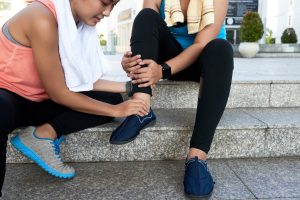
Supportive footwear should complement other fall-prevention measures such as balance exercises, strength training, adequate lighting, and removing household hazards. Osteoporosis organizations recommend comfortable shoes with good support, low heels, broad contact with the ground, and nonslip soles for people concerned about falls.
In this guide, we compare 10 options to help you find the best shoes for osteoporosis based on stability, traction, cushioning, fit, and everyday walking comfort. We also explain the most important footwear features to consider when reducing fall risk is a primary concern.
10 Best Shoes For Osteoporosis
1. New Balance 928v3 – Best Stability Shoes for Osteoporosis
The New Balance 928v3 is among the best stability shoes for osteoporosis because its traditional walking-shoe platform emphasizes controlled, supportive movement. It is particularly appealing to people who want a structured shoe rather than a highly flexible running model.

- MOTION CONTROL DESIGN - Engineered with motion control technology to provide superior stability and alignment for walkers who need extra support with each stride
- ROLLBAR STABILITY POST - ROLLBAR technology reinforces the medial and lateral sides of the midsole, reducing rear-foot movement and promoting a stable, controlled walking gait
- ABZORB CUSHIONING - ABZORB cushioning absorbs impact at the heel and forefoot, delivering all-day comfort that reduces fatigue during extended walks
The 928v3 uses ROLLBAR stability technology to help control rear-foot movement, while its substantial walking construction creates a planted sensation underfoot. The removable insole can also provide additional space for compatible orthotics, and the traditional lace closure allows the shoe to be secured around the foot. Multiple width options make it easier to find a closer match for different foot shapes.
A secure fit is particularly valuable when fall prevention is a priority because excessive movement inside the shoe can interfere with confident walking. Its substantial construction may feel reassuring to some users, although people accustomed to lightweight running shoes may initially find it bulky. Proper sizing remains essential because excessive width or length can undermine the benefits of an otherwise stable shoe.
The 928v3 is an excellent starting point for someone who prioritizes stability and traditional walking support. It is especially attractive for people who need width options or plan to use an appropriate orthotic.
- Stability-focused design
- ROLLBAR technology
- Multiple widths
- Removable insole
- Secure lacing
- Walking-oriented
- Supportive platform
- Bulky feel
- Older model
- Premium pricing
2. HOKA Bondi 9 – Best Cushioned Shoes for Osteoporosis
The HOKA Bondi 9 is one of the best cushioned shoes for osteoporosis for people who want substantial underfoot cushioning during everyday walking. Its broad platform and thick midsole make it appealing to individuals who prefer a highly cushioned athletic shoe.

The Bondi 9 uses a thick cushioned midsole and rocker-style geometry to create a smooth transition through the walking cycle. Its broad base gives the shoe a substantial footprint, while the engineered mesh upper provides breathability during regular activity. The lace closure also allows the wearer to adjust the fit around the midfoot.
Cushioning can improve comfort, but maximum softness should not automatically be considered the safest choice for everyone with osteoporosis. People with significant balance difficulties may prefer a firmer, more structured shoe that provides greater ground feedback. It is therefore sensible to test the shoe carefully before using it for extended walking.
The Bondi 9 is a strong option for someone who prioritizes cushioning while still wanting a substantial walking platform. People with pronounced balance concerns should compare it with a stability-oriented model before making a final decision.
- Generous cushioning
- Broad platform
- Rocker geometry
- Breathable upper
- Secure lacing
- Walking comfort
- Substantial midsole
- Bulky appearance
- Tall midsole
- Soft underfoot feel
3. Brooks Addiction Walker 2 – Best Motion Control Shoes for Osteoporosis
The Brooks Addiction Walker 2 is among the best motion control shoes for osteoporosis because it combines a traditional walking design with substantial support. It can be particularly appealing to people who prefer structured footwear rather than highly flexible casual sneakers.

- THIS MEN’S SHOE IS FOR: Designed for long days on your feet, this lace-up walking shoe offers reliable cushioning, all-day wearability, and trusted stability. The Brooks Addiction Walker 2 is a certified PDAC A5500 Diabetic shoe and has been granted the APMA Seal of Acceptance.
- RESPONSIVE CUSHIONING: BioMoGo DNA cushioning adapts to your weight, speed, and stride—absorbing shock and delivering personalized comfort with every step.
- ENHANCED STABILITY & ALIGNMENT: The Extended Progressive Diagonal Rollbar (PDRB) provides full-body support by guiding your stride and promoting natural motion—ideal for those who need added arch and pronation control.
The shoe incorporates Brooks’ Extended Progressive Diagonal Rollbar technology, which is designed to provide support and help control excessive movement. Its leather upper gives it a substantial construction, while the lace-up closure allows the wearer to adjust the fit around the midfoot. The walking-focused design also makes it appropriate for everyday errands and routine outdoor activity.
A structured shoe can feel more controlled for people who dislike soft, highly flexible footwear. However, motion-control features are not automatically appropriate for every individual, so comfort and gait should determine the final choice. The leather construction can also feel warmer than a breathable mesh athletic shoe in hot weather.
The Addiction Walker 2 is a strong candidate for someone who values support and controlled movement. It is particularly suitable for users who prefer a traditional walking shoe over a modern running-style silhouette.
- Motion-control design
- Supportive platform
- Leather upper
- Secure lacing
- Walking focused
- Structured construction
- Durable build
- Heavy feel
- Less breathable
- Traditional styling
4. Brooks Adrenaline GTS 25 – Best Supportive Walking Shoes for Osteoporosis
The Brooks Adrenaline GTS 25 is one of the best supportive walking shoes for osteoporosis for people who want athletic cushioning combined with a stability-oriented design. Its secure lace-up construction and supportive geometry make it a versatile choice for everyday walking.

- THIS MEN’S SHOE IS FOR: The Adrenaline GTS 25 is perfect for runners and walkers seeking reliable support and a smooth ride. Featuring holistic GuideRails for Go-To Support and soft, dynamic premium nitrogen-infused DNA LOFT v3 cushioning, it delivers distraction-free comfort mile after mile. This Brooks Adrenaline GTS 25 is a certified PDAC A5500 Diabetic shoe and has been granted the APMA Seal of Acceptance. Predecessor: Adrenaline GTS 24.
- GUIDERAILS HOLISTIC SUPPORT SYSTEM: Our innovative technology - known as “GTS” for “Go-To Support” - supports your body in its natural motion path while keeping excess movement in check.
- SOFT & DYNAMIC CUSHIONING: Even more premium nitrogen-infused DNA Loft v3 cushioning delivers lightweight softness, and feel-good comfort mile after mile.
The Adrenaline GTS uses Brooks’ GuideRails support system to help promote controlled movement while maintaining a relatively athletic feel. Its cushioning provides a comfortable platform for walking, while the breathable upper can be useful during longer periods of activity. The traditional lacing system also allows the shoe to be tightened securely around the foot.
Secure fastening is an important consideration when fall risk is a concern because loose footwear can move independently from the foot. Recent footwear guidance for older adults similarly emphasizes proper fit, secure fastening, low heels, and slip-resistant outsoles. The shoe should nevertheless be tested personally because stability preferences differ.
The Adrenaline GTS 25 provides a useful middle ground between heavy walking shoes and highly cushioned neutral sneakers. It is especially suitable for active individuals who want support without a bulky traditional walking-shoe appearance.
- GuideRails support
- Cushioned platform
- Secure lacing
- Athletic design
- Breathable upper
- Walking versatility
- Stable feel
- Not waterproof
- Structured feel
- Requires proper sizing
5. ASICS GEL-KAYANO 32 – Best Stability Running Shoes for Osteoporosis
The ASICS GEL-KAYANO 32 is among the best stability running shoes for osteoporosis for people who want cushioning combined with a controlled athletic platform. It provides a modern alternative for individuals who find traditional walking shoes too heavy or restrictive.

- Engineered mesh upper: A lightweight, breathable mesh material that reduces the need for additional overlays.
- Knit heel pull tab: This comfortable heel tab makes the shoe easier and more comfortable to put on and take off.
- 4D GUIDANCE SYSTEM feature: A dynamic pod designed to intuitively respond under excessive load. This response provides stability and comfort for the duration of a run.
The GEL-KAYANO line combines cushioning with stability-focused construction, making it suitable for walking and other low-impact activities when the fit is appropriate. Its secure lace closure helps hold the foot in place, while the athletic upper provides breathability. The model is also substantially lighter in character than many traditional leather walking shoes.
A modern stability shoe should still be evaluated according to individual balance and gait. Someone who has difficulty controlling a highly cushioned running shoe may benefit more from a firmer and more structured walking model. Walking indoors first is a sensible way to determine whether the shoe feels predictable and secure.
The GEL-KAYANO 32 is a good option for active individuals who want a contemporary athletic shoe with stability characteristics. It is especially useful for those who want footwear that can transition from ordinary walking to other low-impact activities.
- Stability features
- Cushioned midsole
- Secure lacing
- Athletic construction
- Breathable upper
- Walking versatility
- Modern design
- Running-shoe geometry
- Premium price
- Individual fit required
6. New Balance Fresh Foam X 860v15 – Best Wide Shoes for Osteoporosis
The New Balance Fresh Foam X 860v15 is one of the best wide shoes for osteoporosis for people who need additional width without giving up a stability-oriented athletic design. Its range of width options can make it easier to obtain adequate toe room while maintaining a secure midfoot fit.

- FRESH FOAM X CUSHIONING - Our most cushioned Fresh Foam experience delivers incredible, premium underfoot comfort that maintains performance over every distance
- STABILITY PLANE TECHNOLOGY - Innovative Stability Plane provides dependable performance and stability support without compromising the plush cushioning of Fresh Foam X
- SPORTS RESEARCH LAB VALIDATED - Engineered and validated through New Balance's Sports Research lab to deliver premium cushioning, stability, and comfort in every stride

The 860 series combines Fresh Foam X cushioning with stability-focused construction for everyday running and walking. Its lace closure allows the shoe to be secured around the midfoot, while different width choices can accommodate a variety of foot shapes. Having adequate room around the toes is important because excessive compression can make otherwise comfortable footwear difficult to tolerate.
Buying a wider shoe is not automatically safer if the foot slides around inside it. The heel should remain secure while the toes have enough room to move naturally, and the shoe should not be so wide that it becomes difficult to control. Try the actual width and size combination rather than assuming a particular width will work.
The 860v15 is a strong option for someone who needs modern stability footwear but struggles with standard-width shoes. It is particularly worth considering when foot shape is one of the main barriers to finding comfortable footwear.
- Wide-width options
- Fresh Foam X
- Stability construction
- Secure lacing
- Athletic design
- Cushioned platform
- Roomy fit choices
- Not waterproof
- Athletic appearance
- Width needs testing
7. Vionic Walker Classic – Best Arch Support Shoes for Osteoporosis
The Vionic Walker Classic is among the best arch support shoes for osteoporosis for people who want structured support in a traditional walking shoe. Its supportive footbed and lace-up construction make it appealing to people who prefer a more controlled feeling underfoot.

- Women's casual sneaker with premium leather or suede upper,Features an anti-bacterial top cloth to control foot odor
- Durable rubber outsole for traction,It's recommended to wear your new pair for a few hours to allow your feet to adapt to the new support
- Lace up sneaker with breathable, moisture-wicking 100% polyester mesh liner with PU foam base that helps reduce friction against skin
The Walker Classic is built around a supportive footbed and a walking-oriented outsole. Its lace closure helps keep the foot positioned inside the shoe, while its traditional construction provides an alternative to thick, highly cushioned running shoes. The design is also suitable for people who prefer conventional footwear for everyday activities.
Arch support should match the individual’s foot rather than being selected simply because a shoe advertises strong support. Excessive or poorly positioned arch support can become uncomfortable, so the shoe should feel natural when standing and walking. Anyone with persistent foot pain should seek professional assessment rather than attempting to solve an underlying problem solely through footwear.
The Walker Classic is a sensible option for people who prioritize structured arch support and traditional walking performance. It is particularly worth considering if you prefer a supportive leather-style walking shoe over a thick athletic sneaker.
- Structured footbed
- Arch support
- Secure lacing
- Walking design
- Supportive outsole
- Traditional styling
- Orthotic-friendly potential
- Firm feel
- Break-in varies
- Less athletic styling
8. Skechers GO WALK Arch Fit – Best Easy-On Shoes for Osteoporosis
The Skechers GO WALK Arch Fit is one of the best easy-on shoes for osteoporosis for people who value convenient footwear with cushioning and arch-support features. Its slip-on construction can be especially appealing to people who find traditional laces difficult to manage.

- Podiatrist-certified arch support developed with 20 years of data and 120,000 unweighted foot scans
- This design has been granted the Seal of Acceptance by the American Podiatric Medical Association (APMA)
- Removable insole helps mold to your foot to reduce shock and increase weight dispersion
The Arch Fit system is designed around supportive insole construction, while the GO WALK platform provides a lightweight walking experience. Its slip-on format makes it convenient for everyday errands and casual walking, and the lightweight construction can feel less cumbersome than heavy stability footwear. The shoe also offers a more casual appearance than traditional walking models.
Convenience should not come at the expense of heel security, particularly when fall prevention is important. The Royal Osteoporosis Society recommends avoiding loose and backless footwear and choosing shoes with patterned tread. Make sure the specific version fits securely around the heel before relying on it for daily walking.
This model can work well for people who want easy entry and have sufficient balance to use a slip-on safely. If you have substantial instability, a securely fastened lace-up shoe may be the better choice.
- Easy-on design
- Arch support
- Lightweight construction
- Cushioned platform
- Everyday walking
- Convenient closure
- Casual appearance
- Less adjustable
- Heel security varies
- Not ideal for everyone
9. Orthofeet Asheville – Best Adjustable Shoes for Osteoporosis
The Orthofeet Asheville is among the best adjustable shoes for osteoporosis for people who need additional room, accommodative construction, or easier fastening. Its adjustable design is particularly useful for individuals whose feet change in volume or who need additional space for compatible inserts.

- Fully Adjustable Dual Strap Design: Both side straps open completely for effortless step-in access, making these slippers ideal for swollen feet, limited mobility, or anyone who needs a customizable fit.
- Faux Fur Lined Interior: Wall-to-wall soft lining wraps your foot in warmth and protection, while the suede and leather upper delivers a refined look that goes beyond the house.
- Designed for Relief: Cushioning and arch support help ease plantar fasciitis, diabetes, bunions, flat feet, heel pain, overpronation, and common pains every step.
Adjustability can be valuable when conventional shoes create pressure points or make it difficult to obtain a secure fit. The Asheville provides an accommodative construction with adjustable fastening, allowing the wearer to modify the fit around the foot. This can be useful for people who experience swelling or need additional space around orthotic inserts.
More internal room is not automatically safer if it allows the foot to move excessively inside the shoe. The goal is to keep the heel and midfoot secure while allowing enough room for natural toe movement. Take time to adjust the footwear correctly and walk indoors before committing to extended use.
The Asheville is particularly appealing when fit flexibility is more important than athletic styling. It is worth considering for people who have struggled to find conventional shoes that accommodate their individual foot shape.
- Adjustable fit
- Accommodative design
- Orthotic-friendly
- Roomy construction
- Secure fastening
- Comfort focused
- Useful for swelling
- Bulky appearance
- Less sporty
- Requires adjustment
10. Propet TravelActiv – Best Lightweight Shoes for Osteoporosis
The Propet TravelActiv is one of the best lightweight shoes for osteoporosis for people who want less substantial footwear for everyday movement. Its lightweight construction can appeal to walkers who find heavy stability shoes cumbersome during normal activities.

- Removable footbed
- Style: Travelactiv
- Closure_type: Lace Up
The TravelActiv family is designed around walking comfort and is available in accommodating size and width combinations. Its athletic styling makes it suitable for errands, casual walks, and general daily activity. Depending on the specific version, the upper can also offer more breathability than traditional leather walking shoes.
The primary consideration for someone with osteoporosis is whether the shoe provides enough stability for the individual’s gait. A lightweight shoe can be comfortable but should still fit securely and provide appropriate traction for the surfaces where it will be worn. Someone with substantial balance impairment may prefer a more structured stability model.
The TravelActiv is a useful alternative for people who dislike heavy footwear and have relatively good balance. It demonstrates why the lightest shoe is not necessarily the safest or most appropriate shoe for every person with osteoporosis.
- Lightweight design
- Walking focused
- Width choices
- Breathable options
- Everyday versatility
- Comfortable construction
- Easy movement
- Less structured
- Not for every gait
- Features vary
What to Consider When Buying Shoes for Osteoporosis
1. Look for a Stable, Broad Base
A stable sole gives the foot a dependable platform during walking and standing. The International Osteoporosis Foundation recommends comfortable shoes with good support, a broad heel, and nonslip soles as part of fall prevention.
Look for a shoe that feels planted rather than excessively narrow or unstable. A broad contact area can be especially valuable if you already experience balance difficulties.
2. Prioritize Good Traction
Traction is one of the most important characteristics when selecting footwear for someone concerned about falls. The Royal Osteoporosis Society recommends patterned tread rather than smooth soles, while osteoporosis guidance from the National Osteoporosis Foundation recommends supportive shoes with rubber soles and low heels.
Consider the surfaces where you spend most of your time. A shoe that performs well on dry pavement may not provide the same grip on wet tile or smooth indoor flooring.
3. Choose a Secure Closure
Laces, adjustable straps, and suitable hook-and-loop closures can keep the shoe securely attached to the foot. Alberta Health guidance specifically recommends laces or Velcro-style closures because they provide a snug fit while allowing for changes in foot volume.
Avoid choosing a shoe solely because it is easy to slip on. Convenience is useful, but heel security should take priority if you have balance concerns.
4. Avoid High Heels
High heels can make maintaining balance more difficult and are generally inappropriate when fall prevention is a priority. Osteoporosis organizations recommend low-heeled footwear, and current footwear research similarly emphasizes low heels as a desirable feature for stability.
A small heel is not necessarily a problem. What matters is that the heel is low, broad, and integrated into a stable platform.
5. Get the Correct Width and Length
A shoe that is too narrow can crowd the toes, while one that is too long or wide can allow excessive foot movement. Alberta Health recommends adequate toe-room while maintaining a secure heel and snug closure.
Try shoes with the socks you normally wear and check the fit while standing. If you have unusually wide or narrow feet, look for manufacturers offering multiple width options rather than simply changing shoe length.
6. Consider Midsole Firmness
More cushioning is not automatically better for balance. Current evidence-based footwear recommendations emphasize properly fitted footwear with moderately firm insoles, while some osteoporosis guidance specifically illustrates a relatively thin, firm midsole as useful for ground feel.
This does not mean that everyone with osteoporosis should avoid cushioned shoes. Instead, choose cushioning that allows you to feel stable and confident rather than footwear that feels excessively soft or unstable.
7. Consider Orthotics and Individual Foot Problems
People with osteoporosis may also have bunions, fallen arches, plantar discomfort, or other foot conditions that affect shoe selection. A removable insole can be useful if you have an appropriately prescribed or fitted orthotic.
If you have persistent foot pain, major balance problems, recurrent falls, or difficulty walking, footwear selection should not replace professional assessment. A podiatrist, physical therapist, or other qualified clinician can help determine whether you need specialized footwear or an orthotic.
Best Shoes For Osteoporosis Frequently Asked Questions
1. What are the best shoes for osteoporosis?
The best shoes for osteoporosis are generally supportive, well-fitting shoes with good traction, low heels, and a secure closure. The New Balance 928v3 is a strong overall option because of its stability-focused walking construction and width choices. However, the best model depends on your foot shape, gait, balance, and individual needs.
2. Can shoes help prevent fractures from osteoporosis?
Shoes cannot treat osteoporosis or guarantee protection from fractures. Their main potential benefit is supporting fall prevention by providing traction, stability, and a secure fit, which is important because falls can lead to fractures in people with osteoporosis.
3. Should people with osteoporosis wear running shoes?
Running shoes can be appropriate if they fit securely and provide suitable stability and traction. Alberta Health notes that running shoes can be supportive, although it recommends choosing a relatively thin sole to maintain surface awareness.
4. Are cushioned shoes good for osteoporosis?
Cushioned shoes can be comfortable, but maximum cushioning is not automatically best for balance. Some people may prefer a moderately firm platform because it provides better ground feedback and a more predictable walking sensation. Individual comfort and stability should guide the decision.
5. Are slip-on shoes safe for osteoporosis?
Slip-on shoes can be safe if they fit securely around the heel and do not move excessively while walking. However, loose or backless footwear is generally discouraged for people at increased risk of falls.
6. Should people with osteoporosis wear shoes indoors?
Yes, supportive footwear indoors can be useful when fall risk is a concern. Osteoporosis guidance recommends avoiding walking around in socks, stockings, or unsuitable slippers because these can increase slipping or instability.
7. When should I see a professional about footwear?
Consider professional advice if you have recurrent falls, significant balance problems, persistent foot pain, major foot deformities, or difficulty finding footwear that fits correctly. A podiatrist or physical therapist can assess your walking pattern and determine whether specialized footwear, orthotics, or other interventions may be appropriate.
Conclusion
In conclusion, the best shoes for osteoporosis should provide the right combination of stability, traction, cushioning, secure fit, and comfortable support for everyday walking. The runner-up choice is the HOKA Bondi 9 for its substantial cushioning, broad platform, and smooth walking experience.
New Balance is particularly useful for people who prioritize stability, width options, and structured walking support, while Brooks provides practical choices for motion control, supportive walking, and athletic stability. ASICS offers a modern option for people who prefer cushioned stability footwear, while Vionic provides a traditional choice for those who value structured arch support.
Skechers provides convenient options for people who prefer easy-on footwear, while Orthofeet is useful for those who need greater adjustability and additional room. Propet offers a lightweight alternative for people who prefer less substantial footwear and have sufficient balance for a lighter walking shoe.
Compare the ten options above, consider your balance, walking habits, foot shape, and preferred level of support, and choose the pair that best matches your daily needs. Paying attention to traction, secure fastening, sole stability, width, cushioning, and overall fit can help you select practical footwear for everyday use.